
Why Are My Gums Bleeding? 8 Possible Causes and When to See a Dentist
Updated: Sep 4

Seeing pink or red in the sink after brushing can be unsettling, especially if it keeps happening. If you're asking, "Why are my gums bleeding?" you're not alone. Bleeding gums are a common concern, and the causes can range from brushing too hard to early gum disease.
Below are eight possible causes, what they may mean, and when it's time to see a dentist in Cumming, GA.
1. Brushing Too Hard or Using a Hard-Bristled Brush
A stiff toothbrush or brushing with too much pressure can irritate delicate gum tissue and cause bleeding.
What helps: Use a soft-bristled toothbrush and gentle, circular motions. If bleeding continues after about a week, schedule a dental evaluation.
2. Starting or Restarting a Flossing Routine
Gums that aren't used to regular flossing may bleed during the first few days as they adjust.
What helps: Continue flossing gently once a day. If bleeding doesn't improve within one to two weeks, plaque buildup or another issue may be contributing.
3. Plaque and Tartar Buildup
Plaque that isn't removed through regular brushing and flossing can harden into tartar. This buildup can irritate the gums and cause them to bleed.
Regular professional cleanings and consistent home care can help keep plaque and tartar under control.
4. Early Gum Disease (Gingivitis)
Bleeding gums are often an early sign of gingivitis. Other symptoms can include:
Red, swollen, or tender gums
Persistent bad breath
Puffy or shiny-looking gums
Early gum disease can often be improved with professional cleaning and better home care. If left untreated, it can progress to more advanced gum disease.
5. Hormonal Changes
Hormonal changes during pregnancy, puberty, menstruation, or menopause can make gum tissue more sensitive and prone to bleeding.
Maintaining regular dental cleanings and good oral hygiene can help manage gum sensitivity during these changes.
6. Certain Medications
Some medications, including blood thinners, can increase the likelihood of gum bleeding.
Be sure to tell your dentist about any medications you're taking, particularly if you've recently started a new prescription.
7. Vitamin Deficiencies
Low levels of certain vitamins, including vitamin C or vitamin K, may affect gum health, tissue healing, or blood clotting.
If bleeding gums occur alongside other symptoms or dietary changes, discuss the issue with your dentist or healthcare provider.
8. Ill-Fitting Dental Appliances
Dentures, retainers, or other dental appliances that don't fit properly can rub against the gums and cause irritation.
If bleeding repeatedly occurs in the same area where an appliance contacts your gums, your dentist may need to evaluate the fit.
When Bleeding Gums May Require Professional Dental Care
Occasional light bleeding after brushing too vigorously may not be a major concern. However, you should consider scheduling a dental evaluation if you experience:
Bleeding that occurs most days
Gums that remain swollen, red, or tender for more than a week
Persistent bad breath
Receding gums
Loose teeth or changes in your bite
Bleeding that is becoming more frequent or severe
These symptoms can indicate gum inflammation or gum disease that requires professional treatment.
What a Dentist May Do to Diagnose the Cause
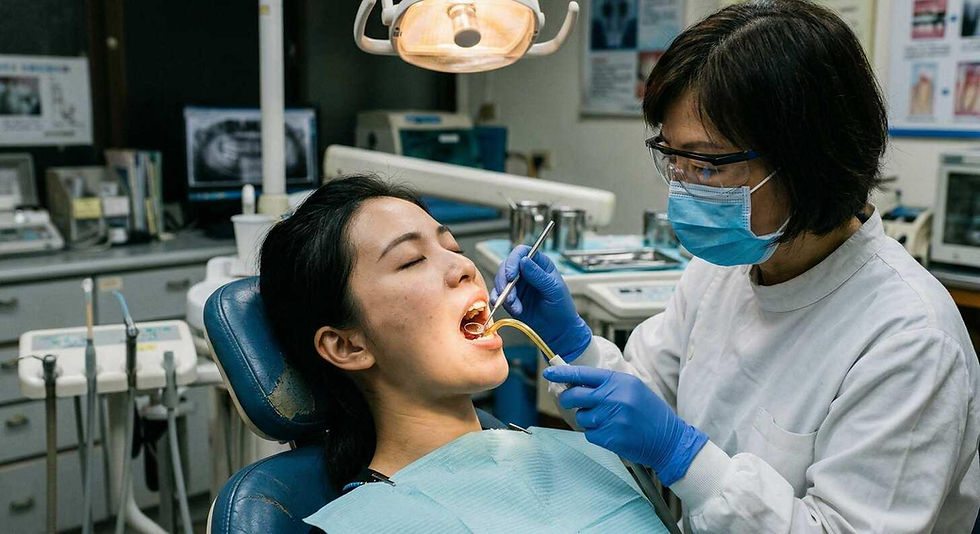
During a dental appointment for bleeding gums, your dentist may:
Review your medical history and medications
Examine your gums for swelling, recession, or color changes
Measure the spaces between your teeth and gums
Take X-rays if bone loss is a concern
Discuss your brushing, flossing, and dietary habits
This evaluation helps determine whether the bleeding is related to brushing technique, plaque buildup, gum disease, or another factor.
Common Bleeding Gums Treatment Options
Treatment depends on the underlying cause. Your dentist may recommend:
Professional cleaning to remove plaque and tartar above and beneath the gumline
Improved home care guidance to help you brush and floss more effectively
Scaling and root planing for more established plaque and tartar buildup
Antibacterial mouth rinse in some situations
Periodontal maintenance for patients with a history of gum disease
Your dentist can recommend the treatment that best fits your individual oral health needs.
How to Stop Bleeding Gums at Home
While ongoing bleeding should be evaluated by a dentist, these habits can support healthier gums between visits:
Brush twice daily with a soft-bristled toothbrush and fluoride toothpaste.
Floss gently once a day.
Use fluoride or antibacterial mouthwash if recommended by your dentist.
Avoid tobacco products, which can worsen gum irritation.
Maintain a consistent oral hygiene routine.
If bleeding continues despite these steps, schedule a dental evaluation rather than continuing to wait.
Frequently Asked Questions
Why do my gums bleed only when I floss, not when I brush?
Flossing reaches areas between your teeth where a toothbrush cannot. If you aren't used to flossing every day, your gums may initially bleed. Consistent, gentle flossing can help improve this over time.
Can bleeding gums go away on their own?
Mild bleeding caused by brushing or adjusting to flossing may improve with gentler technique and consistent care. Bleeding caused by plaque buildup or gum disease may require professional treatment.
How do I know if my bleeding gums are gum disease?
Bleeding alone doesn't confirm gum disease. Frequent bleeding combined with swelling, bad breath, or tenderness should be evaluated by a dentist.
What deficiency causes bleeding gums?
Low vitamin C or vitamin K levels can sometimes contribute to gum bleeding. However, plaque-related gum inflammation is a more common cause.
When should I see a dentist for bleeding gums? Schedule an appointment if bleeding occurs regularly, continues for more than a week or two, or is accompanied by swelling, bad breath, tooth sensitivity, or other changes.
Is it normal for gums to bleed a little every day?
Daily gum bleeding isn't typically considered normal. It can indicate ongoing gum inflammation that should be evaluated.
Can pregnancy cause bleeding gums?
Yes. Hormonal changes during pregnancy can make gums more sensitive and prone to bleeding. Regular cleanings and good home care can help manage the condition.
Does gum bleeding mean I need a deep cleaning?
Not necessarily. Some cases improve with a regular cleaning and better home care, while more established plaque buildup or gum disease may require scaling and root planing. Your dentist can determine which treatment is appropriate.
Take the Next Step for Healthier Gums
If your gums have been bleeding regularly, it's worth having them checked rather than waiting to see if the problem improves on its own.
The team at Bethelview Family Dentistry in Cumming, GA provides thorough gum evaluations to help identify the cause of bleeding and recommend the appropriate next step for your oral health.
Reach out today to schedule an appointment and take the next step toward healthier gums.

Comments