
7 Signs You May Have a Cavity (And What to Do About It)
Updated: Aug 30
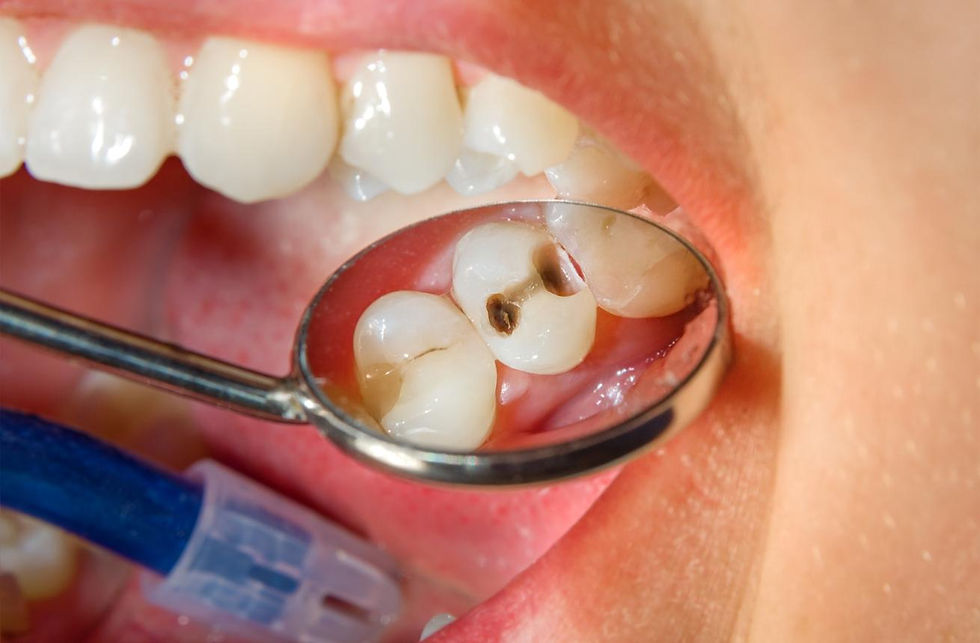
A cavity rarely shows up all at once. It often starts with subtle changes like sensitivity, a rough spot, or mild discomfort that is easy to ignore. Catching cavity symptoms early can mean a simple filling instead of more extensive treatment.
Tooth decay is common in both children and adults, and it does not always cause pain in the beginning. Knowing the warning signs can help you seek treatment before a small problem becomes more serious.
1. Tooth Sensitivity to Hot, Cold, or Sweets
A sudden ache from coffee, ice cream, or sweets can be a sign of tooth decay. This happens when damaged enamel allows temperature or sugar to reach the sensitive dentin underneath.
Occasional sensitivity can have other causes, such as worn enamel or gum recession. If it repeatedly affects the same tooth or becomes worse, schedule a dental evaluation.
2. A Toothache or Dental Pain
Cavities do not always hurt when they first develop. As decay progresses deeper into the tooth, it can cause a dull ache, sharp pain, or discomfort when biting.
Pain that repeatedly comes and goes or affects one particular tooth should be checked by a dentist.
3. Visible Holes or Pits in a Tooth
Small holes, pits, or rough areas can develop as tooth decay progresses. These are especially common on back teeth, between teeth, or near the gumline.
Once a visible cavity has formed, it will not repair itself. Professional treatment can prevent the decay from progressing further.
4. White, Brown, or Black Spots on the Tooth
Tooth decay can initially appear as a white or chalky spot caused by mineral loss. As decay progresses, the area may become brown or black.
Changes in tooth color can have several causes, but unusual spots should be evaluated by a dentist.
5. Discomfort When Chewing or Biting Down
Pain that occurs when you chew or bite down can be associated with a cavity, particularly when decay has weakened part of the tooth.
If one tooth consistently feels painful or different when you chew, a dental examination can help identify the cause.
6. Bad Breath or a Persistent Bad Taste
Decay can create areas where food particles and bacteria become trapped. This may contribute to persistent bad breath or an unpleasant taste.
Bad breath can have many causes, but when it occurs alongside other cavity symptoms, it is worth discussing with your dentist.
7. Swelling, Redness, or Sensitivity Around the Gums
Gum tissue near a decayed tooth can become irritated or swollen. If decay reaches the inner pulp of the tooth, an infection may develop and cause more significant swelling.
Swelling around a tooth, especially when combined with pain, should be evaluated promptly.
What Causes Cavities in the First Place?
Cavities develop when bacteria in the mouth feed on sugars and starches from food and drinks. The bacteria produce acids that gradually weaken tooth enamel. Over time, this process can create areas of decay.
Common contributors include:
Frequent snacking or sipping sugary drinks
Inconsistent brushing or flossing
Dry mouth
Deep grooves in back teeth
Insufficient fluoride exposure
When to See a Dentist
Not every episode of sensitivity requires emergency care, but certain symptoms should be evaluated sooner rather than later:
Pain lasting more than a day or two
A visible hole, dark spot, or rough area
Sensitivity that continues or worsens
Swelling around the gums or face
Tooth pain that affects eating or sleeping
Swelling accompanied by fever or pain spreading toward the jaw or ear can indicate an infection and requires prompt dental attention.
How Dentists Diagnose a Cavity
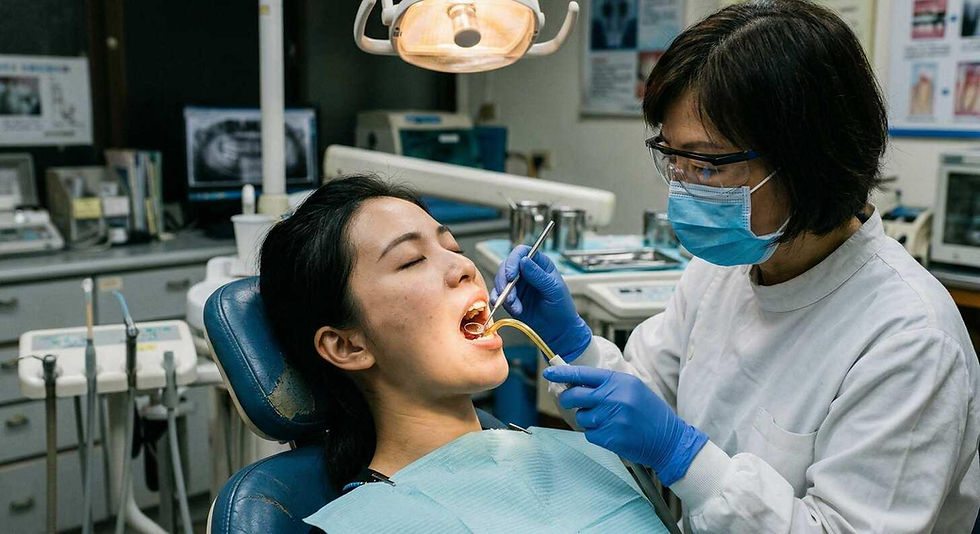
During a dental examination, your dentist may use several methods to look for signs of decay.
Visual examination: The dentist looks for discoloration, holes, cracks, and other changes.
Dental examination: Tooth surfaces may be gently checked for areas of weakness or decay.
Dental X-rays: X-rays can reveal cavities between teeth or beneath areas that cannot be seen during a visual examination.
Regular checkups can help identify cavities before they cause significant symptoms.
Common Cavity Treatment Options
Treatment depends on how far the decay has progressed.
Fluoride treatment: Very early enamel weakening may sometimes be managed with fluoride and improved oral hygiene.
Dental filling: Once a cavity has formed, the decayed portion is removed and replaced with a restorative material.
Dental crown: More extensive decay may require a crown to protect and strengthen the remaining tooth.
Root canal treatment: If decay reaches the inner pulp and causes infection or significant damage, root canal treatment may be necessary to save the tooth.
Early treatment generally allows for simpler and more conservative care.
How to Prevent Cavities
Consistent daily habits can reduce your risk of tooth decay:
Brush twice a day with fluoride toothpaste
Floss daily
Limit sugary and acidic foods and drinks
Drink water throughout the day
Consider dental sealants when recommended
Maintain regular dental checkups and cleanings
FAQs
Does a cavity always hurt?
No. Many cavities begin without noticeable pain. Symptoms often develop as decay progresses deeper into the tooth.
How do I know if I have a cavity or just sensitive teeth?
Sensitivity can have several causes, including worn enamel and gum recession. If it repeatedly affects one tooth or is accompanied by a visible spot or hole, have it evaluated.
Can a cavity go away on its own?
A fully formed cavity cannot repair itself. Very early enamel changes may sometimes be slowed or reversed with fluoride and improved oral hygiene.
Is a toothache always an emergency?
Not always. However, severe pain, facial swelling, or fever may indicate an infection and should receive prompt dental attention.
What does early tooth decay look like?
Early decay can appear as a white or chalky area. As it progresses, the area may become brown or black and eventually develop a visible hole.
How is a cavity treated?
Treatment depends on the severity and may include fluoride treatment, a filling, crown, or root canal treatment.
Can children get cavities in baby teeth?
Yes. Baby teeth can develop cavities and should receive appropriate dental care to protect a child's oral health.
How often should I get checked for cavities?
Many patients benefit from dental examinations and cleanings every six months, although your dentist may recommend a different schedule based on your individual needs.
Ready to Get That Tooth Checked?
If you're experiencing tooth sensitivity, tooth pain, discoloration, or another possible cavity symptom, getting it checked early can help prevent the problem from becoming more extensive.
Bethelview Family Dentistry provides cavity evaluations, fillings, preventive care, and general dental services for patients in Cumming, GA. Contact the office to schedule an appointment or seek prompt care if you're experiencing significant pain or swelling.


Comments