
Sensitive Teeth: Causes, Treatments, and How to Stop Tooth Sensitivity
Updated: Sep 4

That sharp jolt when you sip iced tea or bite into warm pizza isn't just annoying — it's your teeth sending a signal worth understanding.
Common sensitive teeth causes range from worn enamel to gum recession to an untreated cavity. Some cases are easy to manage at home, while others need a dentist's attention.
Here's why teeth get sensitive, what can help, and when it's time to get checked.
What Causes Sensitive Teeth?
Tooth sensitivity happens when the protective layer of enamel wears down or gum tissue pulls back, exposing the softer layer underneath called dentin. Dentin contains tiny tubules that connect to the nerve inside the tooth. When these tubules are exposed, hot, cold, sweet, or acidic foods can trigger a quick, sharp sensation.
Common causes include:
Worn tooth enamel from brushing too hard or using a hard-bristled toothbrush
Gum recession, which exposes the tooth root
Tooth grinding (bruxism), often during sleep
Acidic foods and drinks, such as citrus, soda, and wine, which can gradually erode enamel
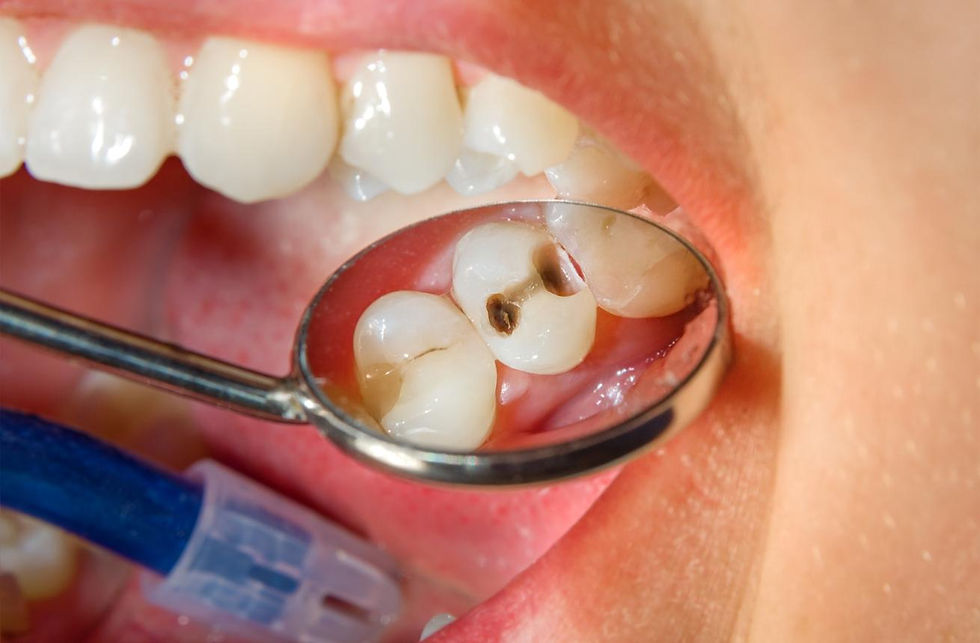
Tooth decay or a cracked tooth, which can expose sensitive inner layers
Recent dental work, such as a filling, cleaning, or whitening treatment
Gum disease, which can cause the gumline to recede over time
For many people, sensitivity develops gradually. A tooth that never bothered you before might start reacting to cold water or a hot cup of coffee, which can be an early clue that enamel or gum tissue has changed.
Signs You May Have Tooth Sensitivity
Tooth sensitivity can show up in different ways. Common signs include:
A quick, sharp sensation when eating or drinking something hot or cold
Discomfort while brushing or flossing
Pain when biting down on sweet or acidic foods
Mild to moderate discomfort that comes and goes rather than constant pain
If you're noticing a dull ache, throbbing, or pain that doesn't go away, that's different from typical sensitivity and may point to a dental infection or another issue.
How to Stop Sensitive Teeth at Home
For mild sensitivity, a few simple changes may help:
Switch to a soft-bristled toothbrush and use gentle, circular brushing motions.
Use toothpaste made for sensitive teeth, which contains ingredients that can help reduce sensitivity over time.
Limit acidic foods and drinks, or rinse with water afterward instead of brushing immediately.
Avoid brushing immediately after eating acidic foods, since enamel can be temporarily softened.
Consider a nightguard if nighttime teeth grinding is an issue.
These steps can reduce mild discomfort, but they won't correct an underlying cause such as a cavity, cracked tooth, or significant gum recession.
If sensitivity continues after a few weeks of at-home care, it's a good idea to have a dentist take a closer look.
When Should You See a Dentist for Sensitive Teeth?
Consider booking an appointment if you're experiencing any of the following:
Discomfort that continues well after the hot, cold, or sweet trigger is gone
Pain that's getting worse over time instead of better
Sensitivity limited to one specific tooth
Visible damage, such as a chip, crack, or dark spot
Sensitivity along with swelling, bad breath, or bleeding gums
These signs can point to decay, an exposed nerve, or gum disease, none of which improve without professional treatment.
A dentist can pinpoint the exact cause instead of guessing based on symptoms alone.
How Dentists Diagnose the Cause of Tooth Sensitivity
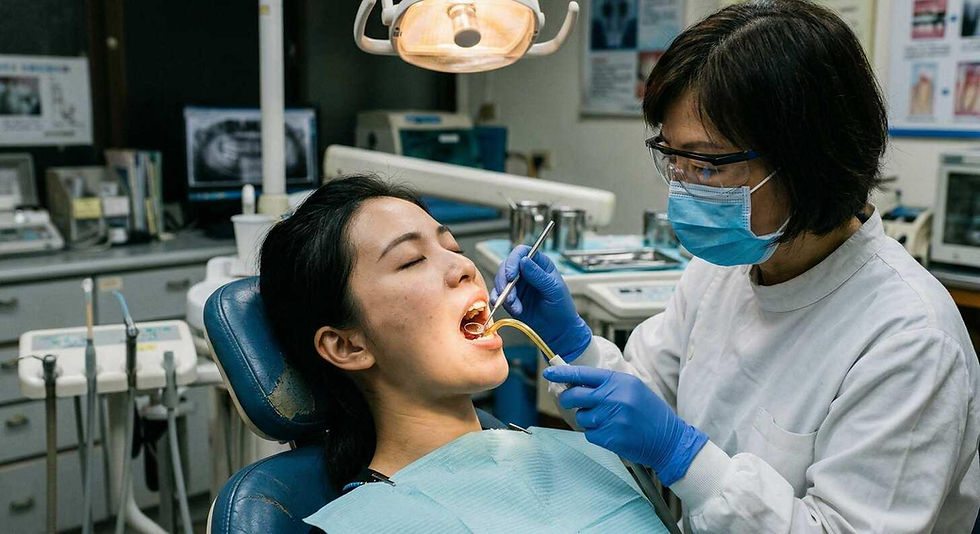
During an exam, a dentist will typically review your dental history, examine your teeth and gums, and check for visible enamel wear, recession, or decay.
Digital X-rays may be used to look for cavities or issues below the gumline that aren't visible during a standard exam.
The dentist may also gently test individual teeth with air, cold water, or light pressure to identify exactly which tooth is reacting and why.
This helps determine whether the sensitivity is coming from worn enamel, a cavity, a cracked tooth, or another cause.
Sensitive Teeth Treatment Options
Once the cause is identified, treatment is tailored to what's actually going on. Common sensitive teeth treatment options include:
Fluoride Treatment: Professional-strength fluoride can help strengthen enamel and reduce nerve sensitivity.
Desensitizing Agents or Bonding: A dentist may apply bonding resin to exposed root surfaces or dentin to seal the tubules causing discomfort.
Treating Tooth Decay: If a cavity is behind the sensitivity, a filling or other restorative treatment can address the underlying problem.
Gum Treatment: When recession or gum disease is the cause, a dentist may recommend a cleaning, deep cleaning, or a gum graft in more advanced cases.
A Nightguard: For sensitivity linked to grinding, a custom nightguard can help protect enamel from further wear.
Root Canal Therapy: When the nerve is significantly affected, root canal therapy may be recommended to relieve pain and save the tooth.
Most patients find real improvement once the specific cause is addressed rather than simply managing symptoms with over-the-counter products.
Preventing Tooth Sensitivity
A few consistent habits can help protect enamel and gum tissue:
Use a soft-bristled toothbrush and avoid heavy pressure.
Limit acidic and sugary foods and drinks.
Wear a nightguard if you grind your teeth.
Keep up with regular dental cleanings and checkups.
Address gum recession or decay early, before it worsens.
Routine dental visits make it easier to catch changes in enamel or gum health before they turn into noticeable sensitivity.
When Sensitive Teeth May Be an Emergency
In most cases, tooth sensitivity isn't an emergency. However, seek prompt dental care if you experience:
Severe or throbbing pain rather than brief sensitivity
Facial swelling
A knocked-out or significantly cracked tooth
Signs of infection, such as fever or a pimple-like bump on the gums
These symptoms can indicate a dental infection or injury that needs timely attention.
FAQs
Why do my teeth suddenly feel sensitive when they never did before?
Sudden sensitivity is often linked to enamel wear, gum recession, a new cavity, or recent dental work. Changes in brushing habits, diet, or teeth grinding can also play a role. A dental exam can help identify what changed.
Can sensitive teeth go away on their own?
Mild, temporary sensitivity, such as after a cleaning or whitening treatment, can fade within a few days. Sensitivity caused by enamel loss, gum recession, or decay usually does not resolve without treatment.
Is tooth sensitivity a sign of a cavity?
It can be, but not always. Sensitivity may also come from worn enamel, gum recession, or a cracked tooth. A dentist can determine the exact cause through an exam and X-rays if needed.
How do I know if my tooth sensitivity is serious?
Sensitivity that lasts more than a few seconds, affects one specific tooth, or comes with swelling or visible damage is worth having evaluated. Brief, mild reactions to hot or cold are more commonly minor.
Is sensitive teeth pain ever a dental emergency?
Occasional sensitivity usually isn't an emergency. However, severe pain, facial swelling, or signs of infection should be treated as urgent and evaluated promptly.
What toothpaste is best for sensitive teeth?
Toothpaste formulated for sensitivity can help reduce mild discomfort over a few weeks of consistent use. It works best alongside gentle brushing habits and, when needed, professional treatment for the underlying cause.
Can teeth whitening cause sensitivity?
Yes, some whitening treatments can cause temporary sensitivity. This typically improves within a few days, but a dentist can recommend gentler options for patients prone to sensitivity.
Why do my teeth hurt with cold drinks?
Cold can trigger a nerve response when dentin is exposed. Brief twinges can occur with sensitivity, but lingering pain may indicate decay or nerve irritation.
Why are my teeth sensitive to hot food?
Heat can cause a similar response in exposed dentin. Sensitivity to both hot and cold, especially when pain lingers in one tooth, is worth discussing with a dentist.
Finding a Dentist for Sensitive Teeth in Cumming, GA
Sensitive teeth don't have to be something you just live with.
If hot, cold, or sweet foods are causing regular discomfort, the team at Bethelview Family Dentistry in Cumming, GA can help identify the cause and recommend the right treatment for lasting relief.
Contact the office today to schedule an evaluation and get back to enjoying your favorite foods and drinks without wincing.

Comments