
Root Canal Treatment: Separating Facts from Fear
Updated: Aug 11
By Dr. Ashalatha Kancharla — Bethelview Family Dentistry

Many people feel nervous when they hear the words "root canal," but modern root canal treatment is far different from the outdated reputation it once had. In reality, a root canal is designed to relieve pain, save your natural tooth, and restore your oral health.
If the inner pulp of a tooth becomes infected because of deep decay, a crack, or an injury, bacteria can spread and cause severe pain, swelling, and sensitivity. A root canal removes the infected tissue, disinfects the inside of the tooth, and seals it to prevent future infection.
Signs You May Need a Root Canal
Your dentist may recommend root canal treatment if you experience:
Persistent tooth pain
Sensitivity to hot or cold that lingers
Pain while chewing or biting
Swollen or tender gums
A darkened or discolored tooth
A recurring pimple or bump on the gums
These symptoms don't always mean you need a root canal, but they should never be ignored.
What Happens During the Procedure?
Modern root canal treatment is comfortable and performed using local anesthesia.
Step 1: Examination
Your dentist will perform a thorough examination and take digital X-rays to determine the extent of the infection. This allows your treatment to be planned accurately.
Step 2: Cleaning the Tooth
A small opening is created in the tooth so the infected pulp can be carefully removed. The inside of the tooth is then cleaned, shaped, and disinfected to eliminate bacteria.
Step 3: Sealing the Tooth
Once the canals are completely cleaned, they are filled with a special material that helps prevent future infection and protects the tooth.
Step 4: Restoring Your Smile
In many cases, a custom dental crown is placed over the treated tooth to restore its strength, appearance, and normal chewing function.
Does a Root Canal Hurt?
One of the biggest myths about dentistry is that root canals are painful.
Thanks to modern anesthesia and advanced dental techniques, most patients describe the procedure as feeling similar to getting a routine filling. In fact, root canal treatment relieves the pain caused by the infection rather than creating it.
Recovery After Treatment
Most patients return to their normal routine the following day.
You may experience mild soreness for a few days after treatment, but this is usually manageable with over-the-counter pain medication. Your dentist will also provide detailed aftercare instructions to help ensure a smooth recovery.
Why Saving Your Natural Tooth Matters
Whenever possible, preserving your natural tooth is the best long-term solution.
Keeping your original tooth helps maintain proper chewing function, preserves the surrounding jawbone, prevents neighboring teeth from shifting, and supports your overall oral health.
Frequently Asked Questions
How long does a root canal take?
Most root canal treatments can be completed in a single visit, although more complex cases may require two appointments.
Will I need a crown afterward?
Many back teeth benefit from a dental crown after root canal treatment because they experience greater chewing pressure. Your dentist will recommend the most appropriate restoration for your specific situation.
Is extraction a better option?
Whenever possible, saving your natural tooth is preferred over extraction. A successful root canal allows you to keep your original tooth while restoring its function and appearance.
Restore Your Oral Health
Persistent tooth pain should never be ignored. Early treatment can stop an infection from spreading and help preserve your natural smile.
If you're experiencing ongoing tooth pain, sensitivity, or swelling, schedule an appointment with Bethelview Family Dentistry. Our experienced team will evaluate your condition, explain your treatment options, and provide gentle, compassionate care every step of the way.


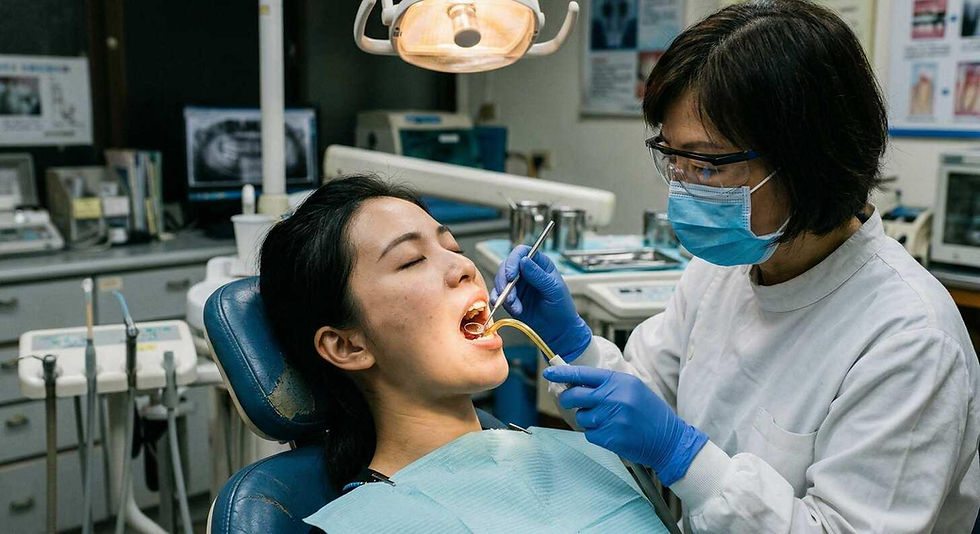
Root canal treatment can feel intimidating, but understanding the process can help replace fear with confidence. Getting the right dental advice also makes it easier to know when treatment is needed and what to expect before, during, and after the procedure. For trusted local dental care and professional guidance, Shire Doctors and Dentists is a helpful website to explore when looking for reliable dental services and information.